A classroom full of kids runs out of fresh air faster than you'd think.
CO₂ climbs, focus fades, and on smoke days the recess call gets harder. We measure what's really happening in your rooms, find which ones fall behind, and turn it into a prioritized plan that fits your building and your budget.
Most schools don't need to panic about the air. They need to know which rooms fall behind.
Measured Air looks at how air really moves through your rooms, then turns it into a prioritized plan that fits how schools actually get funded and run.
-
How much fresh air each classroom gets once it is full of kids
-
How CO₂ climbs through a class period and across the school day
-
Whether filtration and ventilation keep up in older buildings and portables
-
How illness moves faster in crowded, under-ventilated rooms
-
How smoke and inversion days reach classrooms, gyms, and nap rooms
-
Whether you need better ventilation, filtration, or just better settings
Designed for the buildings kids here actually learn in.
Wasatch Front schools and daycares share a specific mix of challenges, from inversions and wildfire smoke to portables and aging unit ventilators. We help you give every room air that supports learning.
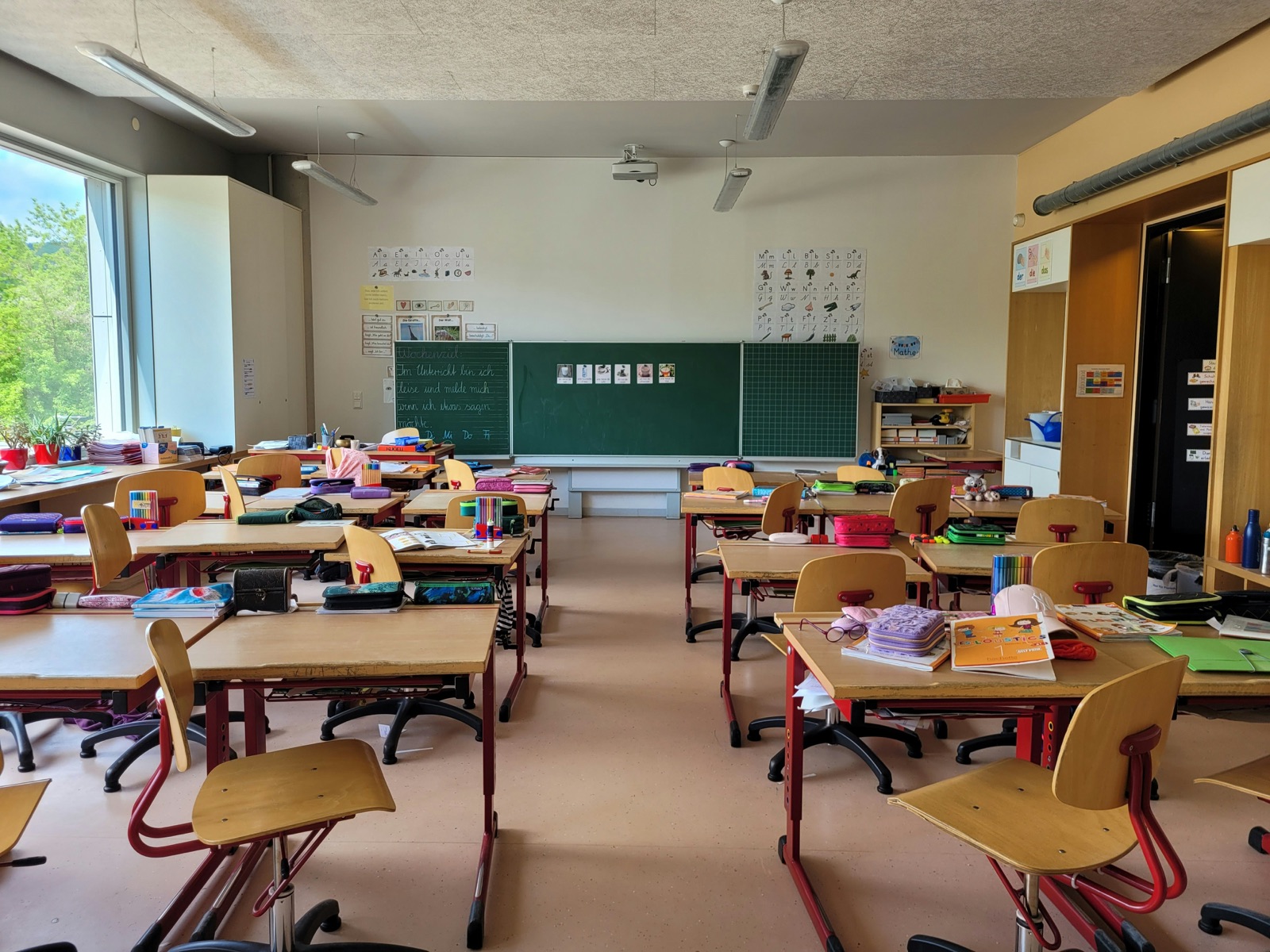
We use data to make practical recommendations, not to frighten parents.
Depending on your buildings and goals, we can monitor:
- PM2.5
Fine particles from smoke, traffic, and busy drop-off
- CO₂
A simple read on whether a room has enough fresh air
- Temp · RH
Comfort that quietly shapes focus and behavior
- Fresh air
Outdoor air per child, room by room
- Filtration
Whether classroom filters actually perform
- Occupancy
How readings track with class size and schedule
- Ventilation
Whether unit ventilators and systems move enough air
- Recovery
How fast a room clears between classes
A clear, room-by-room picture of your air, and a plan to improve it.
-
Walkthrough
We review ventilation, filtration, and how each space is used, from classrooms to the gym to nap rooms, and flag the rooms most likely to struggle.
-
Monitoring
We place monitors in representative rooms for two to four weeks, capturing full classes, the whole school day, and the busiest, most crowded periods.
-
Diagnostics
Where useful, we measure fresh air delivered per child, how fast CO₂ recovers between periods, filtration performance, and which rooms fall behind.
-
Clean-air plan
You receive a prioritized report with ventilation and filter upgrades, portable fixes, settings, and a clear, parent-ready summary of what it means.
-
Verification
After changes are made, we re-check the data to confirm rooms are genuinely healthier, not just newly equipped.
We measure first, then recommend.
Every school is different, but improvements often include these. No one-size-fits-all advice, and nothing your facilities team can't maintain.
- Right-sized filtration for classrooms and portables
- Fresh-air settings matched to real class sizes
- Portable HEPA cleaners for rooms ventilation cannot reach
- CO₂ monitors teachers can read at a glance
- Window and shoulder-season guidance that fits your building
- Smoke-day plans that make recess and PE calls easy
- Nap-room air guidance for daycares and pre-K
- A prioritized list that fits grant and bond funding rules
- Pre and post checks around any HVAC or filter work
- A simple, parent-ready summary of what changed and why
A unit ventilator built for 1975 can't keep up with a packed room today.
Plenty of Salt Lake classrooms run on aging equipment or no mechanical ventilation at all. We design realistic strategies for rooms with:
Usually the best answer is a mix of right-sized filtration, portable cleaners where they count, smarter settings, and a clear priority order so the budget goes to the rooms that need it most.
When the air outside turns, your staff needs a clear call, not a judgment scramble.
We give your team a simple, written playbook for the two events that hit the Wasatch Front hardest, so recess, PE, and parent updates are easy decisions.
For wildfire-smoke events: when to move recess and PE indoors, which rooms stay cleanest, and how to protect the kids who feel it first.
For winter inversions: how to read outdoor data, when to keep windows closed, and how to keep rooms fresh without letting the haze in.
- When to move recess and PE indoors, and when outside is still fine
- Which rooms to set up as clean-air rooms for sensitive kids
- How to protect students and staff who have asthma or allergies
- What to tell parents, and when, so the school stays ahead of worry
- How to read outdoor data for closure and schedule calls
- How to verify rooms recovered once the event passed
Measured Air is a good fit if…
- Classrooms feel stuffy, or kids fade and lose focus in the afternoon
- You run older buildings, portables, or rooms without mechanical ventilation
- Absences spike and you want to understand the air's role honestly
- Smoke and inversion days force hard recess and PE decisions
- You have grant or bond funding and need a defensible priority list
- Students or staff manage asthma, allergies, or other sensitivities
- You want data and a plan, not a vendor pitch
Every assessment includes
- School or room IAQ walkthrough
- Classroom & common-room monitoring
- Fresh-air per-child review
- Filtration & ventilation check
- Portable & nap-room guidance
- Smoke-day decision plan
- Parent-ready summary
- Written plan & next steps
Plus optional contractor-ready scope for HVAC, ventilation, or filtration work, sized to fit grant and bond funding.
We don't sell equipment or take referral fees. We recommend standard, serviceable improvements your facilities team can maintain, sized to fit district procurement and grant rules, and when licensed work is needed we help define the scope and coordinate with qualified contractors.
Clean classroom air shouldn't depend on which room a child got assigned to.
Measure what's happening room by room, fix what matters first, and walk into smoke season with a plan your staff and parents can trust.