The afternoon slump might be your air, not your team.
Stuffy meeting rooms and 3pm fog usually trace back to how much fresh air the floor really gets once it fills up. We measure what's happening at your desks, find what's actually wrong, and turn it into changes your office manager and landlord can act on.
Most offices don't need more plants in the corner. They need to know what the air is doing.
Measured Air looks at how air really moves through your floor, then turns it into a prioritized plan your team can act on.
-
How much fresh air each person actually gets once the floor fills up
-
How CO₂ climbs through long meetings and the back half of the afternoon
-
Whether the building filters keep up with daily traffic and outdoor air
-
How stuffiness and temperature swing between desks, zones, and meeting rooms
-
How smoke and inversion days reach people sitting near intakes and windows
-
Whether your team needs better ventilation, filtration, or just better settings
Designed for the way teams here actually work.
Wasatch Front offices share a specific mix of challenges, from inversions and smoke to crowded return-to-office days on building systems that were balanced for a quieter floor. We help you make the office a place people want to be in.
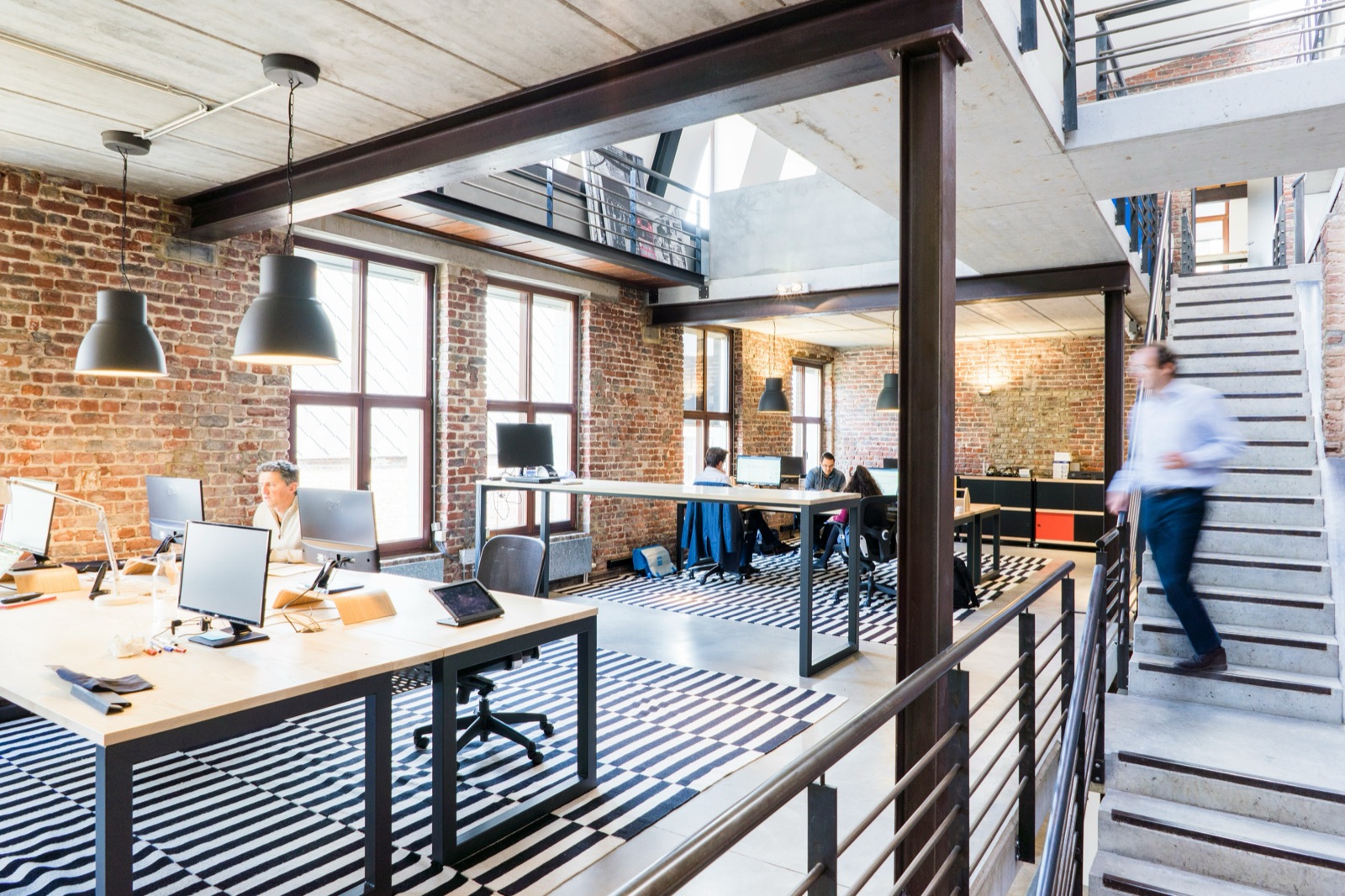
We use data to make practical recommendations, not to rattle your team.
Depending on your space and goals, we can monitor:
- PM2.5
Fine particles from traffic and smoke near the building
- CO₂
Carbon dioxide at desks and in meeting rooms
- Temp · RH
Comfort swings that drive the thermostat wars
- Fresh air
Outdoor air per person once the floor fills up
- Filtration
Whether your filters keep up with daily traffic
- Occupancy
How the readings track with how full the floor is
- Pressure
How neighbors and stairwells push air onto your floor
- Runtime
When the system runs versus when people are actually in
A clear picture of your workspace air, and a plan to improve it.
-
Walkthrough
We review the HVAC serving your suite, the vents, filters, and meeting rooms, and how your team really uses the space through the week.
-
Monitoring
We place monitors at desks and in meeting rooms for two to four weeks, capturing full days, busy afternoons, and the rooms people complain about most.
-
Diagnostics
Where useful, we measure fresh air delivered per person, how fast CO₂ recovers after a meeting, filtration performance, and comfort drift across the floor.
-
Clean-air plan
You receive a prioritized report with ventilation and filter changes, meeting-room guidance, settings, and a clear, data-backed list of what to ask your landlord.
-
Verification
After changes are made, we re-check the data to confirm the floor actually feels and reads better, not just on paper.
We measure first, then recommend.
Every office is different, but improvements often include these. No one-size-fits-all advice, and nothing your team can't maintain.
- CO₂-based fresh-air settings for meeting rooms and dense areas
- Right-sized filter upgrades the building system can actually handle
- Standalone air cleaners for rooms the central HVAC never reaches
- Meeting-room guidance tied to real recovery times, not guesswork
- A landlord request list backed by your own measurements
- Schedules that match in-office days and real working hours
- Targeted comfort fixes for the worst desks and corners
- Smoke-day settings so the office stays usable when air turns
- Pre and post checks around any HVAC or filter work
- A simple dashboard the office manager can actually watch
You can't rebalance a system the building owns. You can show up with data.
Most office tenants share HVAC and have little say over fresh-air settings. We design realistic strategies for teams with:
Usually the best answer is a mix of standalone filtration, smarter use of what you already have, and a clear, data-backed request to the building you can actually defend.
When the air outside turns, your office needs a plan, not a group chat full of guesses.
We give your office manager a simple, written playbook for the two events that hit the Wasatch Front hardest.
For wildfire-smoke events: when to recirculate, which rooms to keep cleanest, and where to seat people who feel it first.
For winter inversions: how to read outdoor data, when a remote day is the right call, and how to keep comfort and fresh air in balance.
- When to switch the office to recirculation, and when that traps the problem
- Which rooms to keep cleanest, and where to seat people with asthma or allergies
- When a work-from-home day beats pushing everyone through a bad-air day
- What to tell the team, and when, so nobody is guessing
- How to read outdoor data to make the call early
- How to verify the office actually recovered once the event passed
Measured Air is a good fit if…
- Your team reports stuffiness, headaches, or an afternoon wall
- You're bringing people back in and want the office to feel worth the trip
- Meeting rooms get stuffy and heavy within the first hour
- You lease space and share HVAC with the rest of the building
- You want data before asking the landlord to change anything
- Someone on the team has asthma, allergies, or low tolerance for bad air
- You want a practical plan, not a leasing-brochure promise
Every assessment includes
- Workspace IAQ walkthrough
- Desk & meeting-room monitoring
- Fresh-air per-person review
- Filtration & comfort check
- Meeting-room guidance
- Smoke-day settings
- Landlord request list
- Written plan & next steps
Plus optional contractor-ready scope for HVAC, filtration, or controls work, and a request packet for your building manager.
We don't sell purifiers or take referral fees from building owners. We recommend standard, serviceable improvements your team can maintain, and when the fix belongs to the landlord, we help you make the case with data instead of complaints.
If you're asking people to come in, the air should be the easy part.
Measure what's happening at the desks, fix what matters, and walk into the next in-office push with a floor that feels good to work on.